Bordered Life and the Right to Move
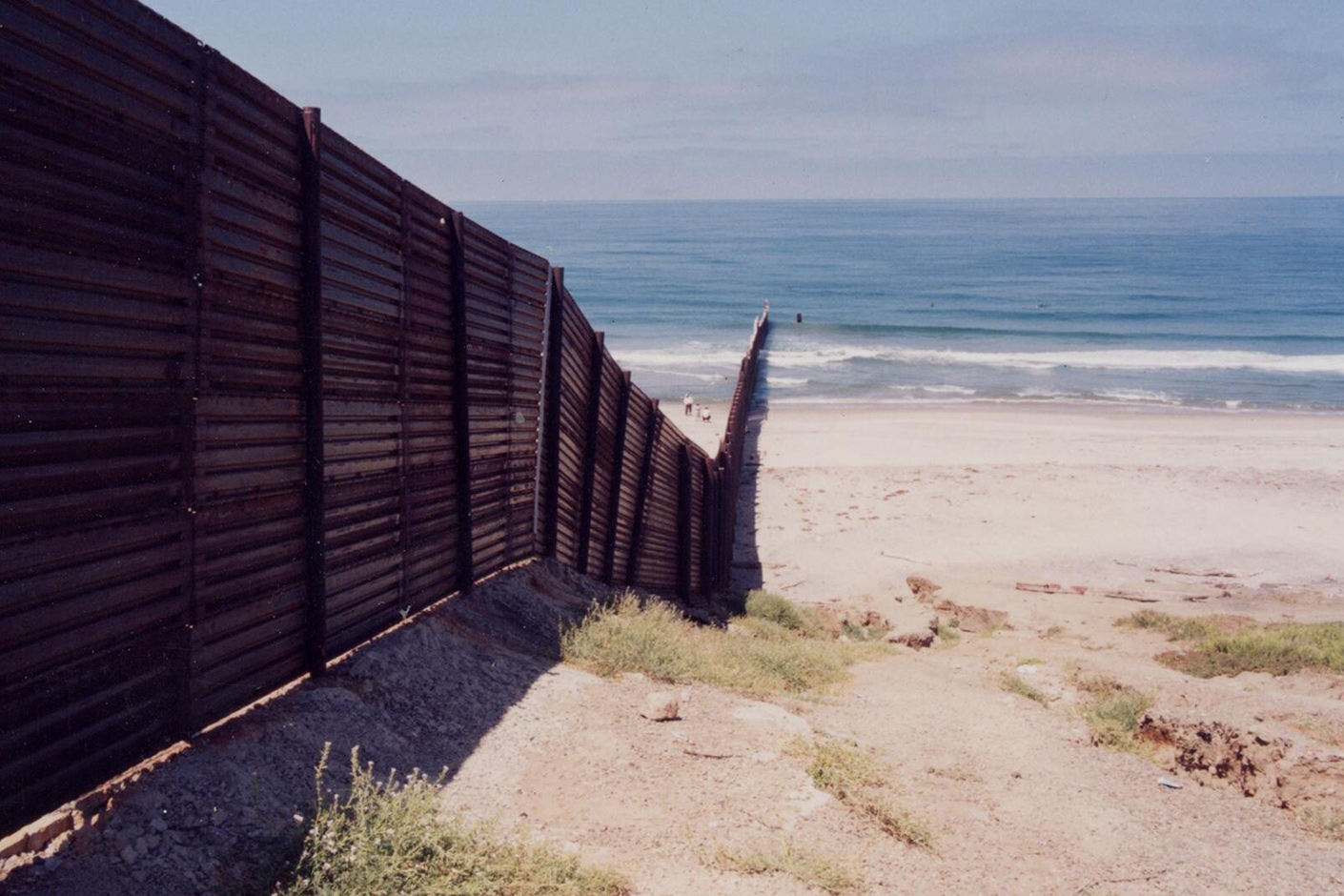
What does it mean to live a bordered life? Not merely to encounter a border as a line on a map or a checkpoint to be crossed, but to inhabit bordering as a condition, to have one’s body, labor, speech, and movement continuously subjected to regimes of sorting, waiting, and exclusion? These were the animating questions of an international conference held April 25–26, 2025 in the Maude Fife Room at UC Berkeley, organized by the Center for Interdisciplinary Critical Inquiry and bringing together artists, activists, and scholars working on borders, race, and migration across the United States, Europe, and beyond.
The conference challenged one of the central mystifications of our political moment: the treatment of border violence as a series of discrete emergencies rather than as the ongoing, structural condition it is.
Anti-immigration politics is one of the most visible planks of the authoritarian playbook—and one of the most dependent on a particular kind of forgetting. By insisting on the colonial histories and racial logics that have always organized who gets to move and who does not, the conference offered a counter-narrative to the dehumanizing phantasms that drive contemporary border policy. Speakers asked how borders are felt and sensed by those who cross them; how entangled histories of race and colonialism persist in border technologies today; and how migrant testimonies and cultural representations resist border violence and forge new modes of belonging.
Over two days, panels moved across law and literature, reproductive labor and forensic investigation, poetry and opacity, and the politics of the moving image. A faculty keywords roundtable asked four UC Berkeley scholars each to take up a single word—Futures, Transit, Utopia, Atmosphere—as a lens for thinking through the contemporary border regime. The format was itself a counter-practice: by slowing down around language, the roundtable foregrounded the political stakes of the words being banned, erased, and weaponized in the current moment, and modeled a form of collaborative intellectual resistance.
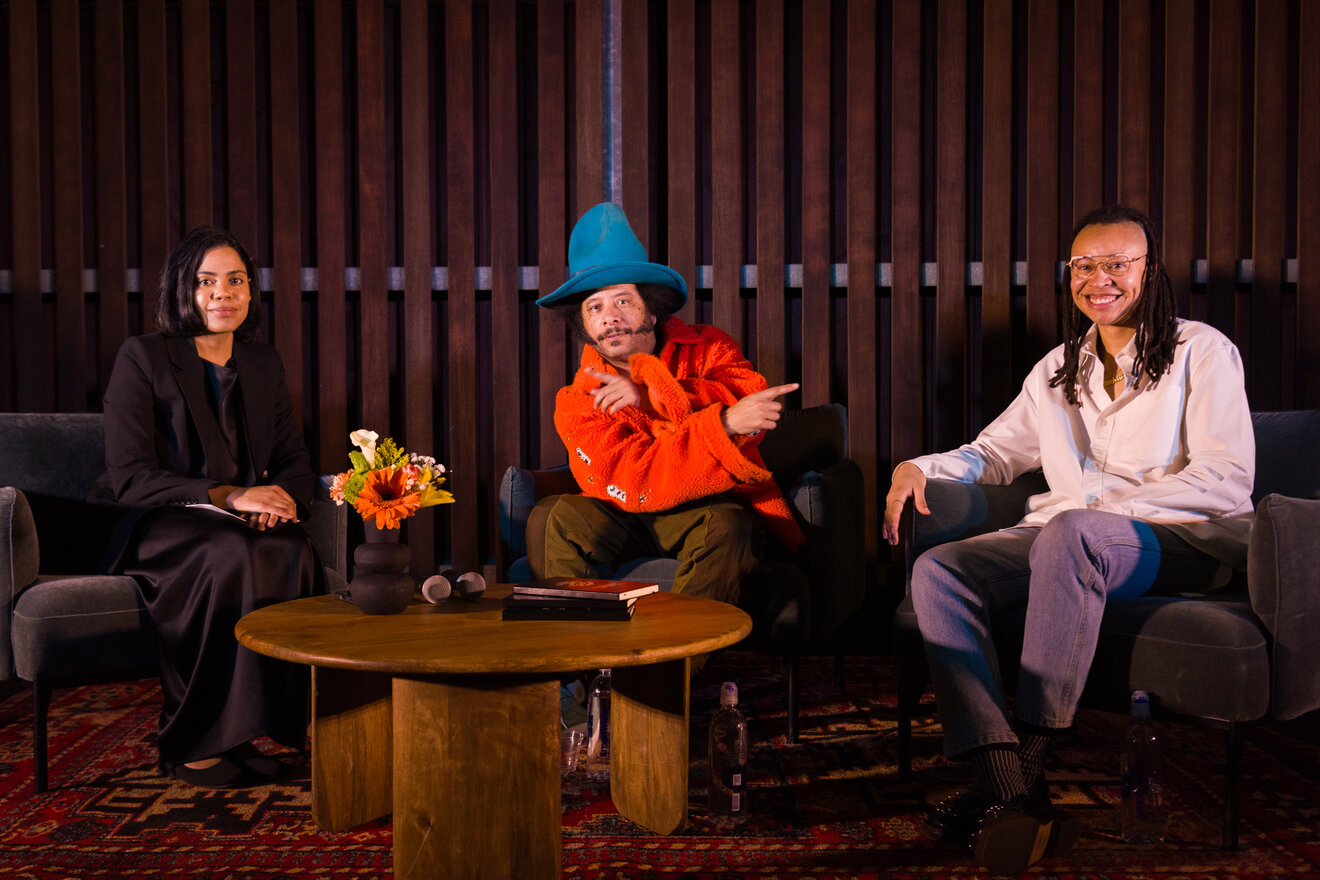
The conference also made space for the kinds of knowledge that institutional settings often push to the margin, including forensic visual analysis, poetry, and experimental film. Cathy Park Hong spoke on opacity as a practice of resistance under fascism. T.J. Demos examined how arts of liberation respond to anti-migration politics. By bringing these methods into dialogue with legal scholarship and social science, the conference modeled a form of interdisciplinary solidarity that arts and academic communities under pressure increasingly need.
The conference closed with screenings and artist talks by filmmakers Dagmawi Yimer and Sylvain George, whose work tracks the textures of waiting, fugitivity, and capture at Europe’s borders—the time that accumulates in detention, the bodies that move at night, the images that bear witness when testimony alone cannot.
Against a political landscape that criminalizes movement and erases the histories that produce displacement, this conference insisted that art, scholarship, and solidarity remain indispensable tools — not for managing the border crisis, but for imagining its end.
Debarati Sanyal is Professor of French and Director of Berkeley’s Center for Interdisciplinary Critical Inquiry and a co-PI on A Counter-Imaginary in Authoritarian Times.
Rhiannon Noel Welch is Associate Professor of Italian Studies and Giovanni and Ruth Elizabeth Cecchetti Chair of Italian Literature at UC Berkeley.