In Conversation: Sable Elyse Smith, Boots Riley, and Rizvana Bradley
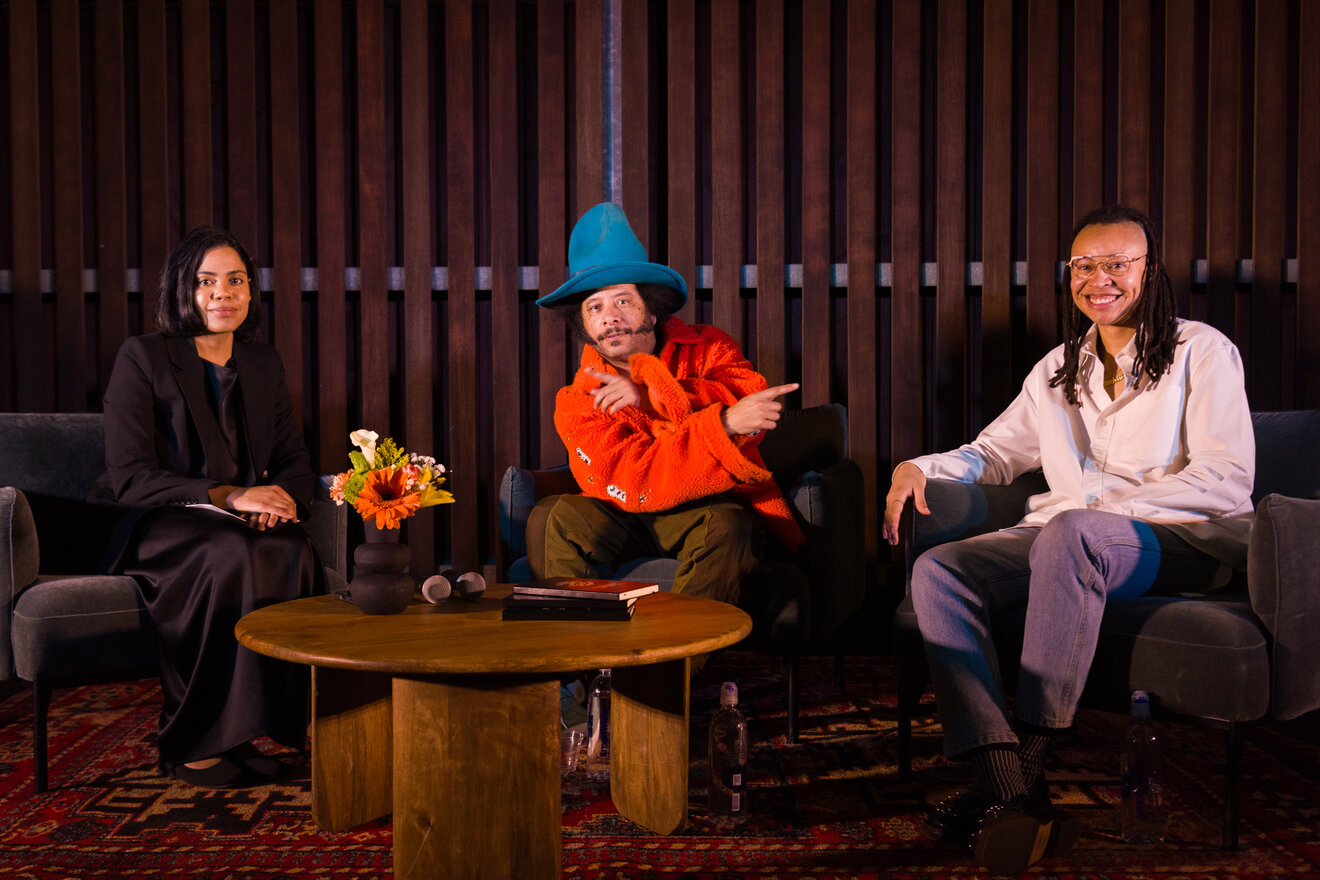
In Conversation: Sable Elyse Smith, Boots Riley & Rizvana Bradley, was held on the rooftop of The Contemporary Austin – Jones Center in Austin on March 25, 2026, and was organized in conjunction with the exhibition Sable Elyse Smith: Clockwork (on view March 6 – August 2, 2026). Sable Elyse Smith (b. 1986, Los Angeles; lives and works in New York) is the recipient of the 2026 Suzanne Deal Booth/FLAG Art Foundation Prize. Clockwork marked the artist’s most robust institutional exhibition to date and her first solo exhibition in Texas.
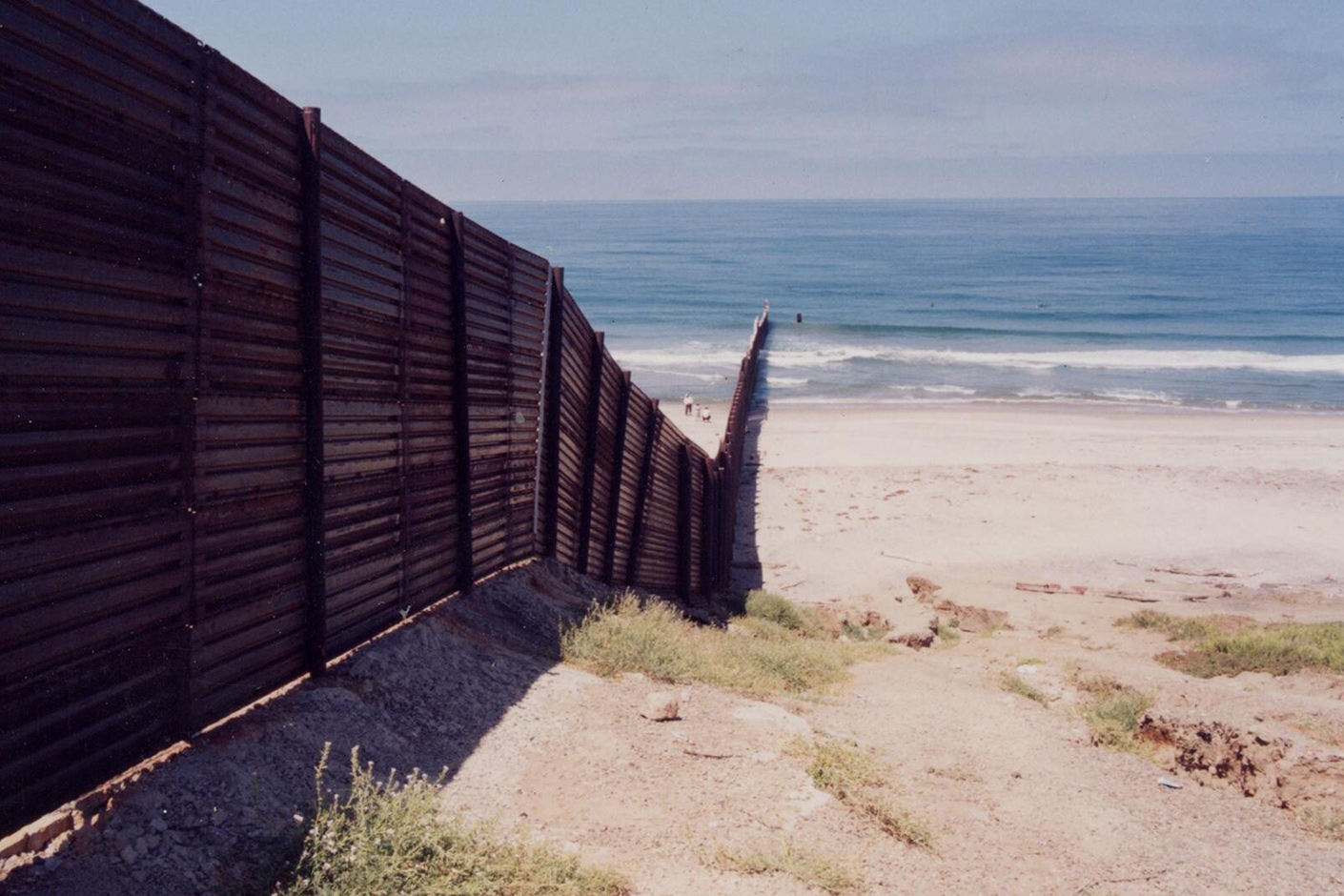
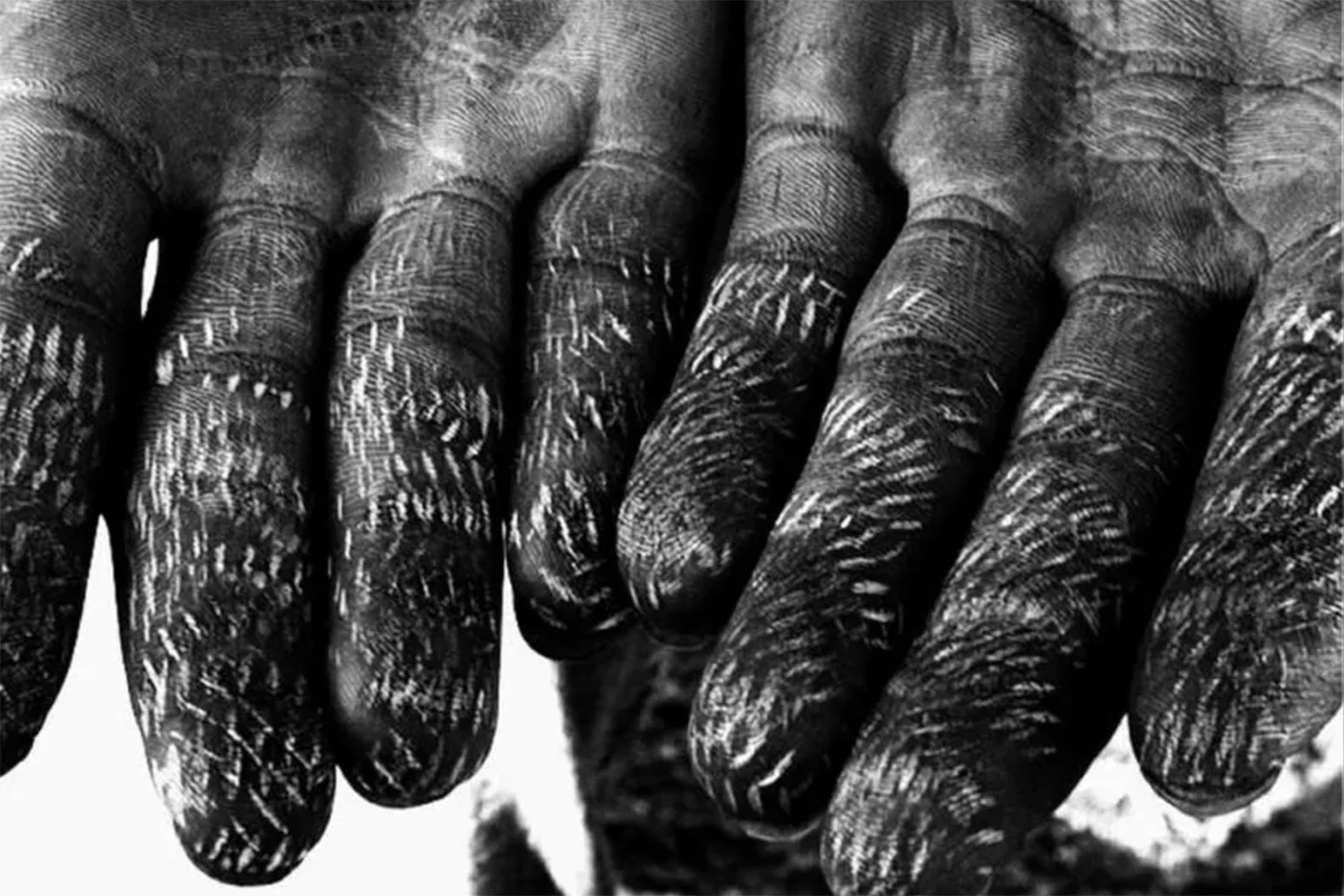
In Clockwork, Smith’s installation brought together new commissions and key artworks from across her oeuvre that, individually and collectively, examine how the structural dynamics of power in the United States manifest in seemingly innocuous forms. Her conceptually driven practice examines systems of authority, tracing how they operate not only as infrastructure but also as psychological and cultural conditions that are often hidden in plain sight. Through formal strategies such as seriality, disorientation, appropriation, and shifts in scale, Smith builds on legacies of minimalism and conceptual art to reveal how these systems are constructed, internalized, and made unrelenting. Furthermore, the exhibition title, Clockwork, evokes the mechanical precision of the carceral state that Smith often interrogates in her practice.
The event brought Smith into conversation with Boots Riley, the noted filmmaker, musician, and activist, in conjunction with the release of his much-anticipated capitalist critique caper, I Love Boosters (2026). The dialogue was moderated by scholar Rizvana Bradley, Associate Professor of Film and Media and Affiliated Faculty in the History of Art and the Center for Race and Gender at the University of California, Berkeley, whose critically acclaimed book Anteaesthetics (2023) “proposes that blackness cannot be represented by modernity’s aesthetic regime, but is nonetheless foundational to every representation.” Many of the ideas in Smith’s exhibition had previously been explored with our colleagues in closed-door conversations with local constituents concerned about how art can resist authoritarian forces by creating spaces for dialogue and representation. Beyond the particular extremes of our current moment, the stakes in Texas are especially high, as these issues remain evergreen and carry real, bodily stakes. At a moment when many institutions are shying away from frank dialogue—or being prevented from doing so—the role of The Contemporary Austin as the only independent contemporary arts museum in the city has reemphasized our commitment to creating a space where the public can engage with the artists and ideas of our time.
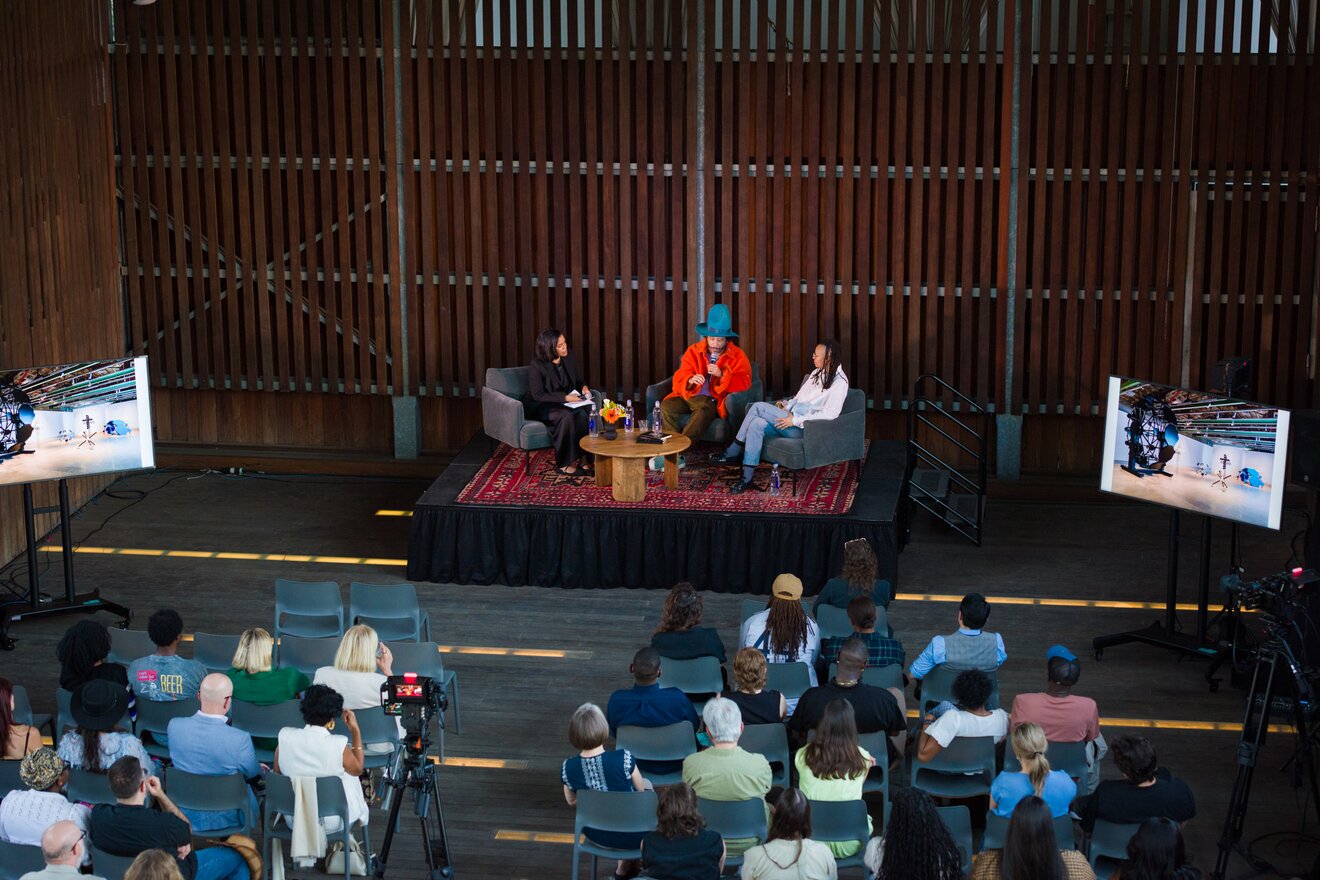
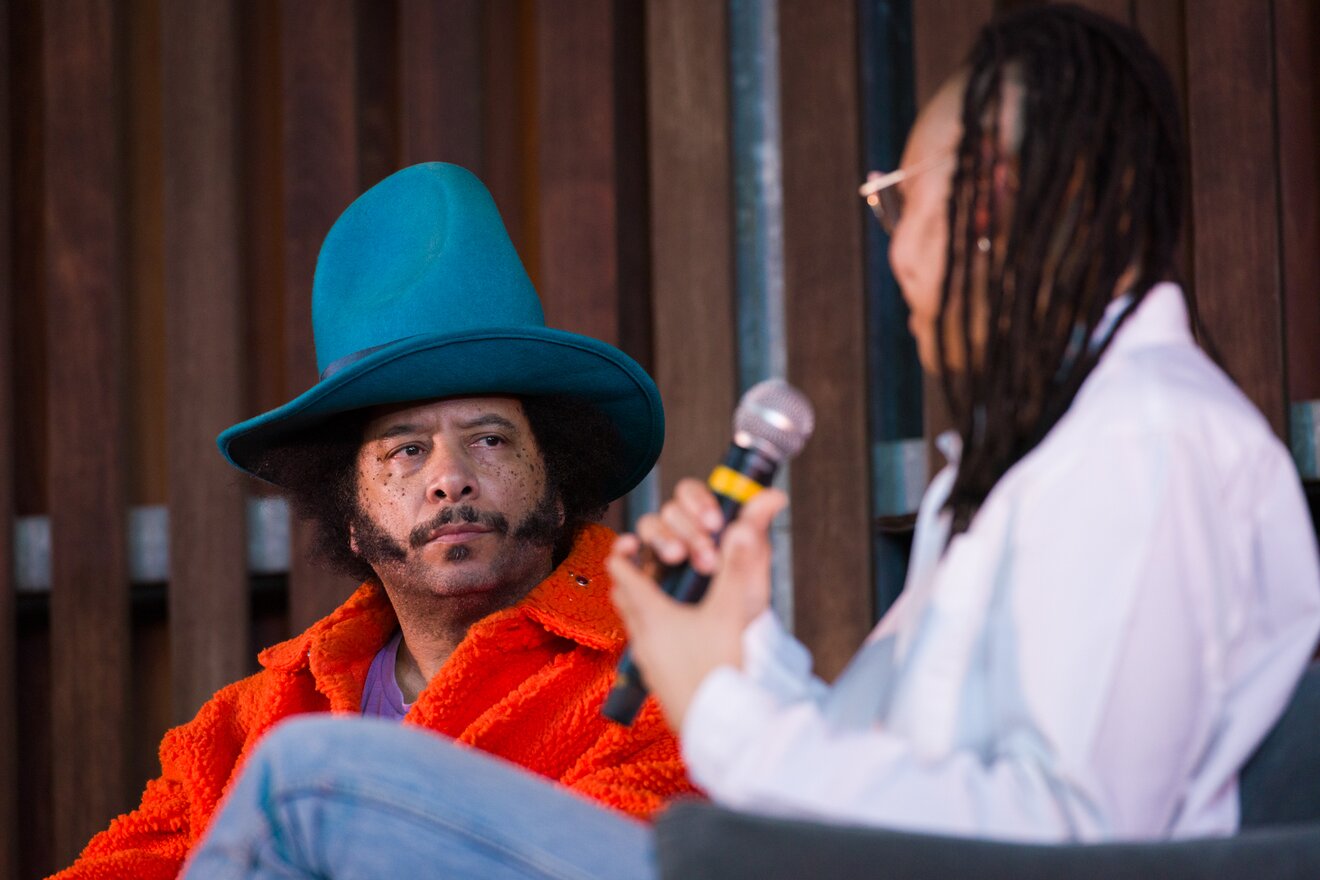
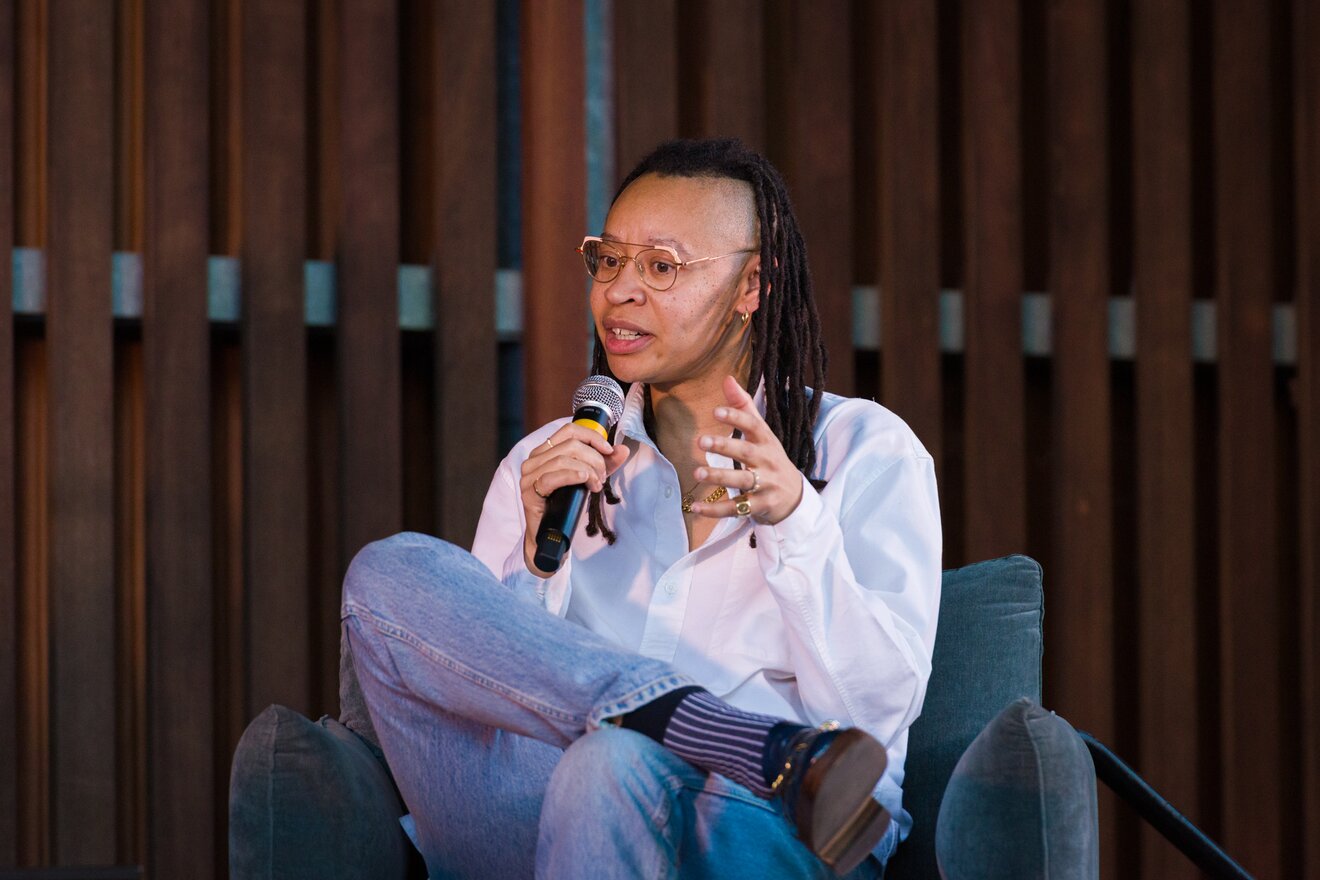
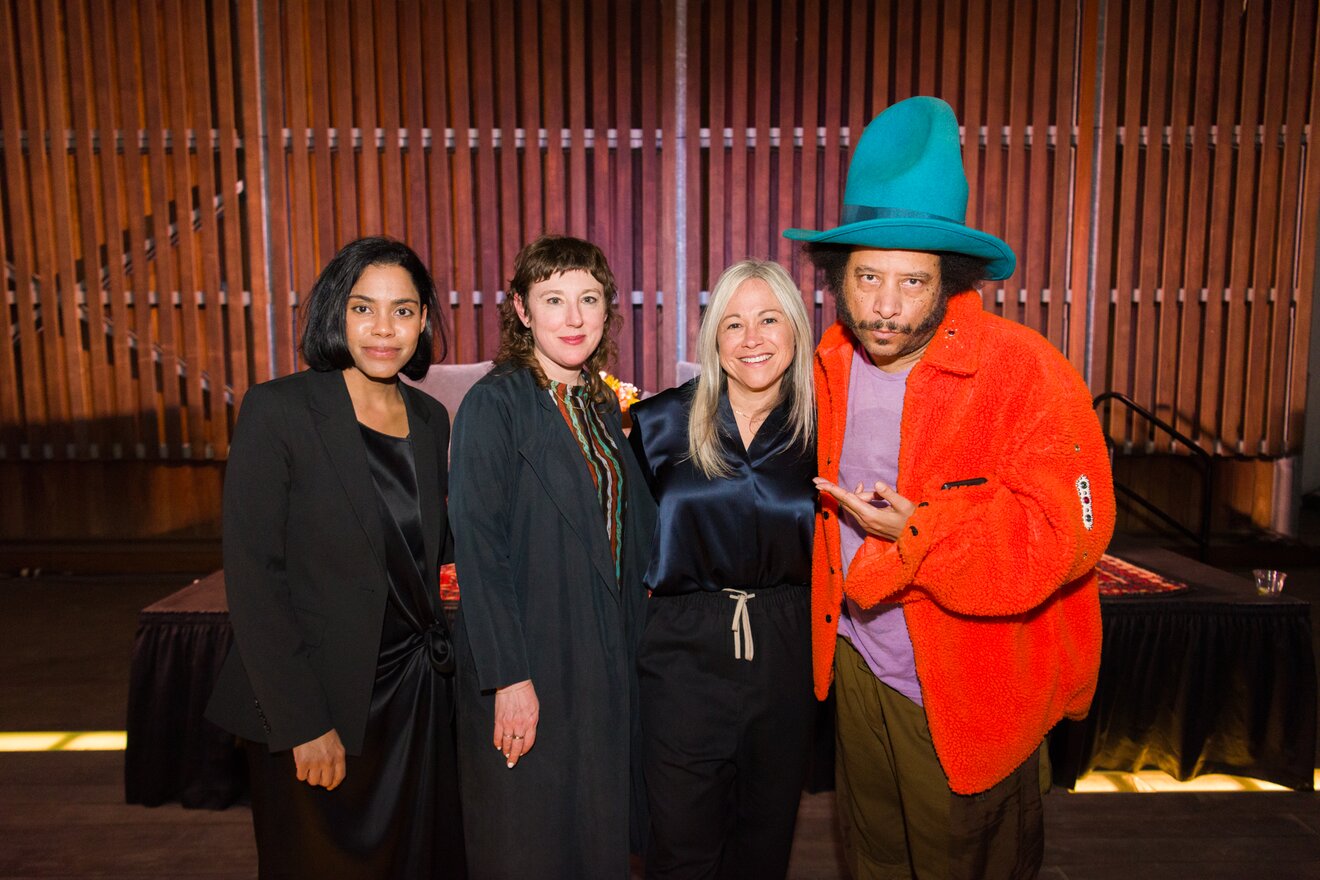
This event allowed us to take some of those behind-the-scenes discussions and to connect them with a broader audience and with a wider platform. As a result, the program was conceived as a way to trace the overlapping concerns of two prominent contemporary artists working in different fields but toward related ends: exposing the systems that discipline, surveil, and extract value from Black life in America, while insisting on the possibility of other worlds. What emerged was less a comparison of two practices than a shared exploration of the influences, instruments, and ideologies of both artists. The opportunity to bring these three leading voices together in conversation allowed us to amplify their individual messages. Furthermore, the dialogue foregrounded the synergies between their different disciplinary backgrounds in ways that connected to broader concerns and actionable steps. The program was given further voice through a partnership with the independent cinema nonprofit Austin Film Society, with a screening geared toward college students.
Scholar Steven Nelson has warned that a “soft censorship” is creeping into arts programming across the United States through advance compliance.
One way our institution has responded to this moment is by staying true to our mission, vision, and values; remaining rooted in our local context; and staying responsive by listening to the needs of our immediate communities. The context of the event was everything, as was emphasized in the conversation. The Contemporary Austin – Jones Center is only blocks from the Texas State Capitol, physically creating a relationship between policy and power in proximity to our programming. Held on the rooftop of Smith’s exhibition, the conversation responded to the exhibition as a foundational point of understanding, giving both artists space to speak plainly about violence against Black bodies and about their own positions as artists making radical work today—not in the abstract, but in this specific political moment. Bradley’s moderation, grounded in Black studies and film theory, created room for candor and fluidity between theoretical frameworks and personal autobiography. For example, Bradley astutely acknowledged the futility of comparing this moment with any other, noting that the “violence that we confront is hardly without precedent today.” That willingness to name the violence their work responds to, in a public and institutionally hosted setting, felt like its own quiet refusal of self-censorship, and it invited the audience into a similarly unguarded relationship with difficult material.
For anyone working in arts or academic spaces and experiencing pressures, funding constraints, or institutional caution, a few things from the conversation feel worth holding onto: your position within given systems matters, as demonstrated by the different levels of transparency offered by the speakers, and a system’s established standards of practice can be used both to uphold violence and as tools to reexamine institutional corroboration in perpetuating violence. Staged within the context of Sable’s exhibition space, the event also modeled something practical: institutions can serve as sites of critique from within, while also holding the tension of being critiqued from the outside.
The event was open to the public and included local creatives, filmmakers, organizers, artists, and like-minded museumgoers. The open Q&A fostered dialogue around how artists frame their work, contextualize their practices, and explore the role of imagination and envisioned realities. With its afterlife online, we hope the conversation continues to be generative for a wider audience for years to come.
As Austin’s only museum solely focused on contemporary artists and their work, The Contemporary Austin presents exhibitions, educational programs, and events that spark conversations and fuel the city’s creative spirit. With artist-focused exhibitions and collaborations, the museum invites exploration at both its urban and natural settings.
The Jones Center (700 Congress Avenue) is a historic building located just blocks away from the Texas State Capitol with two floors of exhibition space and the Moody Rooftop. The Jones Center presents four to six exhibitions annually featuring works by living artists, including Turner-Prize winner Lubaina Himid and the Austin-based artist Deborah Roberts, who in recent years has received international acclaim. Through the ongoing mural program and Jim Hodges’ With Liberty and Justice For All (A Work in Progress), the building’s facade has been transformed into a highly visible public art experience in the heart of downtown.
Laguna Gloria (3809 West 35th Street) is a 14-acre lakeside campus that includes the historic Driscoll Villa, The Art School at The Contemporary, and the Betty and Edward Marcus Sculpture Park, featuring a growing program of commissions, temporary projects, and a permanent collection of outdoor sculptures by artists Ai Weiwei, Terry Allen, Carol Bove, Sarah Crowner, Tom Friedman, Anya Gallaccio, Ryan Gander, Liam Gillick, Nancy Holt, Teresa Hubbard / Alexander Birchler, Paul McCarthy, Wangechi Mutu, Clare Rojas, Tom Sachs, Monika Sosnowska, Jessica Stockholder, SUPERFLEX, Marianne Vitale, and Ursula von Rydingsvard.
Related Topics
Other Projects
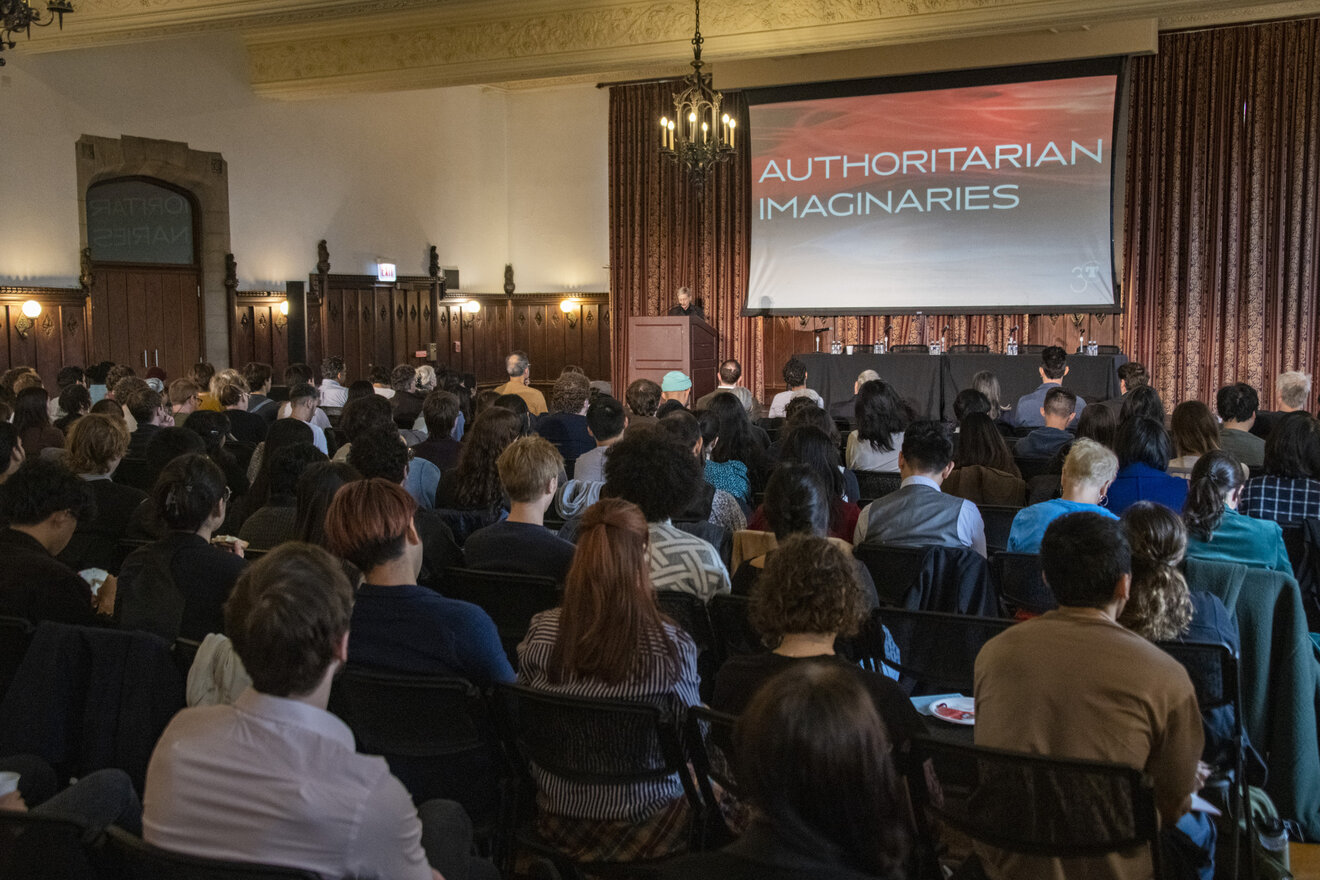
Authoritarian Imaginaries